


Web3
Web3 describes a vision of the internet built on blockchains, in which users own their identity, data and assets directly rather than entrusting them to centralized platforms. It is often contrasted with “Web2,” the era of large platform companies.
How it works
In a Web3 application, users connect a self-custody wallet instead of creating an account with a username and password. Assets such as tokens and NFTs live on-chain under the user’s keys, and much of the application logic runs in public smart contracts. The aim is for value and control to sit with users and open protocols rather than with a single company’s servers.
Why it matters
Web3 reframes ownership and identity online, with implications for finance, gaming, social media and creator economies. It remains an evolving idea: real systems often mix on-chain and off-chain parts, and usability and scalability are still being worked out.
Example
Logging into an app by connecting a wallet, and carrying your assets between apps, is a Web3 pattern.
Web3: Frequently Asked Questions
How is Web3 different from Web2?
What does using a Web3 application look like?
Is Web3 a finished technology?
Latest news

How Investors Evaluate Casino And Sports Betting Companies
How Investors Evaluate Casino And Sports Betting Companies
 Brian Njuguna
5 min read
Brian Njuguna
5 min read
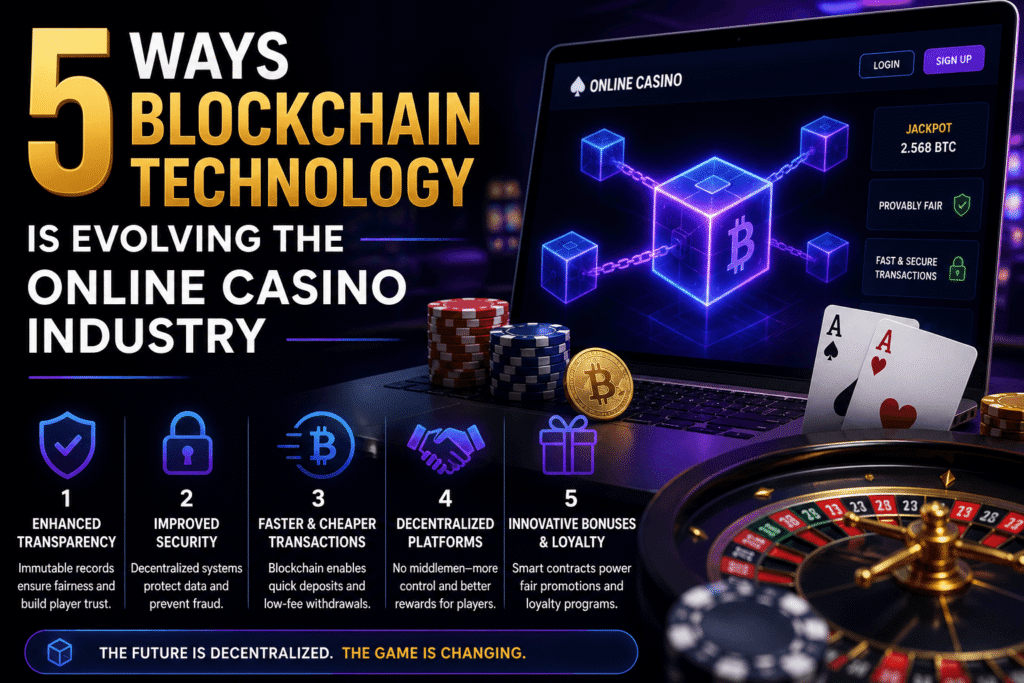
5 Ways Blockchain Technology Is Evolving the Online Casino Industry
5 Ways Blockchain Technology Is Evolving the Online Casino Industry
 Corinne Heller
4 min read
Corinne Heller
4 min read
How Traders Use an Economic Calendar to Prepare for Market Volatility
How Traders Use an Economic Calendar to Prepare for Market Volatility
Corinne Heller
4 min read