


NFT
An NFT (non-fungible token) is a unique blockchain token that represents ownership of a specific item. Unlike a cryptocurrency, where every unit is interchangeable, each NFT is one of a kind and cannot be swapped one-for-one with another.
How it works
An NFT is created, or “minted,” by a smart contract that records who owns a particular token ID. The token usually points to metadata — an image, video, document or in-game item — and the blockchain provides a public, verifiable record of ownership and transfer history. Ownership of the token does not automatically transfer copyright in the underlying work.
Why it matters
NFTs introduced a standard way to prove digital scarcity and ownership, with applications in art, collectibles, gaming, event ticketing and identity. Their value is highly subjective and market-driven, and the convenience of off-chain metadata can be a weak point if it is not stored durably.
Example
A digital artwork sold as an NFT records the buyer’s address on-chain as the current owner of that specific token.
NFT: Frequently Asked Questions
What makes an NFT different from a cryptocurrency?
Does owning an NFT mean I own the copyright to the artwork?
What are the main risks of buying an NFT?
Latest news

How Investors Evaluate Casino And Sports Betting Companies
How Investors Evaluate Casino And Sports Betting Companies
 Brian Njuguna
5 min read
Brian Njuguna
5 min read
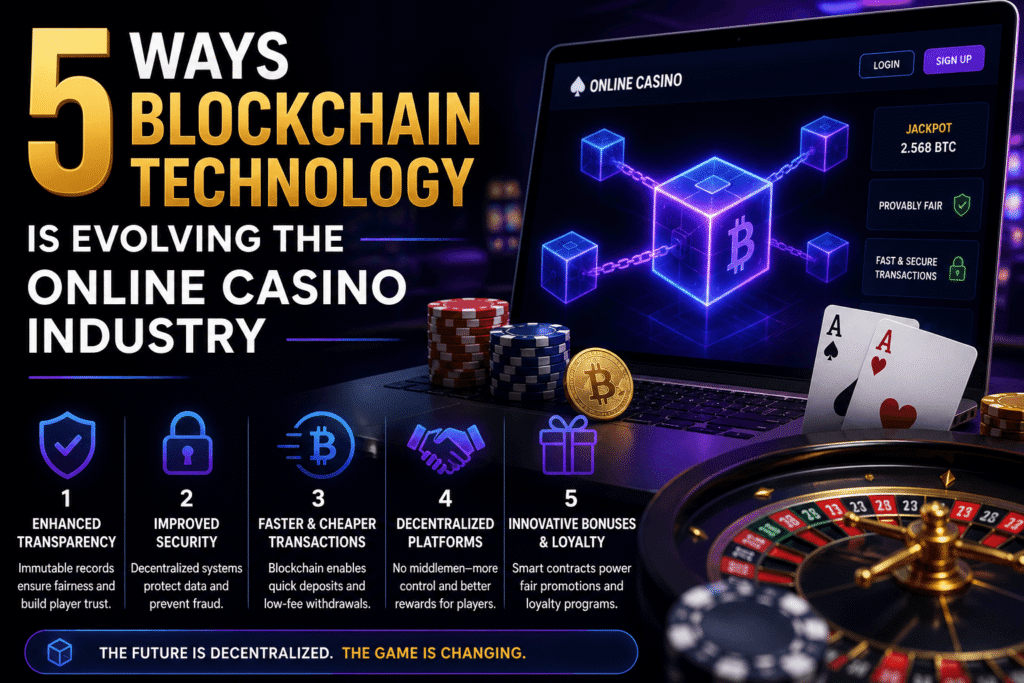
5 Ways Blockchain Technology Is Evolving the Online Casino Industry
5 Ways Blockchain Technology Is Evolving the Online Casino Industry
 Corinne Heller
4 min read
Corinne Heller
4 min read
How Traders Use an Economic Calendar to Prepare for Market Volatility
How Traders Use an Economic Calendar to Prepare for Market Volatility
Corinne Heller
4 min read