


Validator
A validator is a participant in a proof-of-stake blockchain responsible for checking transactions and helping add new blocks. Validators are the proof-of-stake equivalent of miners.
How it works
To become a validator, a participant locks up — stakes — a required amount of the network’s coin as collateral. The protocol then selects validators to propose and attest to new blocks, rewarding honest work with newly issued coins and fees. Misbehaviour, such as trying to confirm invalid blocks, can be punished by “slashing,” which destroys part of their stake.
Why it matters
Validators secure proof-of-stake networks using economic incentives rather than the energy-intensive computation of mining. The number and spread of validators is a key measure of how decentralized and secure such a network is.
Example
Someone who stakes the required amount and runs validator software helps secure the network and earns staking rewards.
Validator: Frequently Asked Questions
How does someone become a validator?
What happens if a validator misbehaves?
Why does the number of validators matter?
Latest news

Ethereum Staking Yield Falls to 2.9%: Validator Economics, Liquid Staking, and What to Expect Next
With 34 million ETH staked (28% of supply) and low gas fees reducing MEV and tips, ETH staking yield has compressed to…
 Dipayan Mitra
2 min read
Dipayan Mitra
2 min read
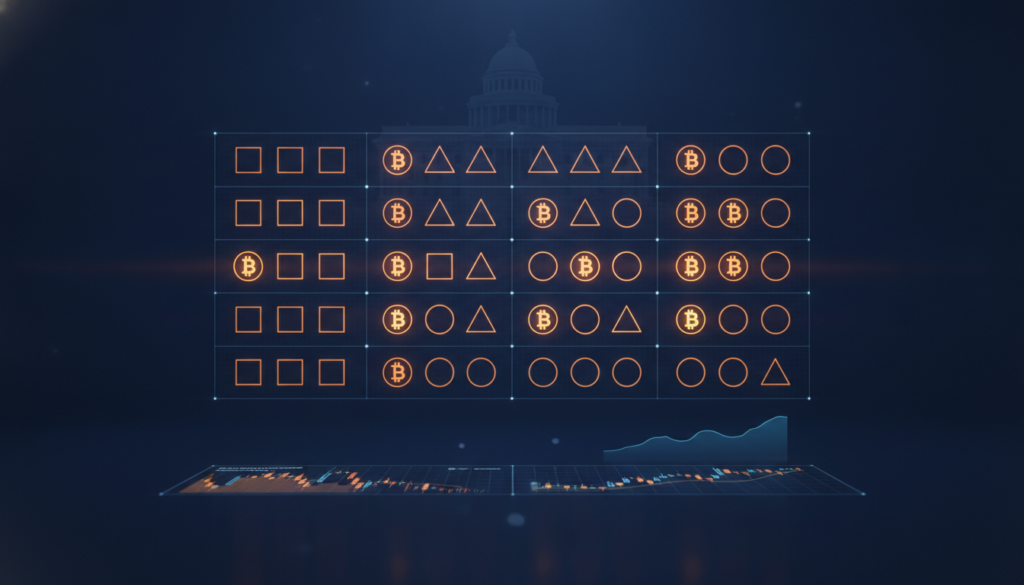
SEC Digital Asset Framework 2026: Which Cryptocurrencies Are Now Treated as Securities?
The SEC's 2026 Digital Asset Regulatory Framework clarified the securities status of dozens of crypto tokens. We break down the Howey Test…
 Ruholamin Haqshanas
2 min read
Ruholamin Haqshanas
2 min read
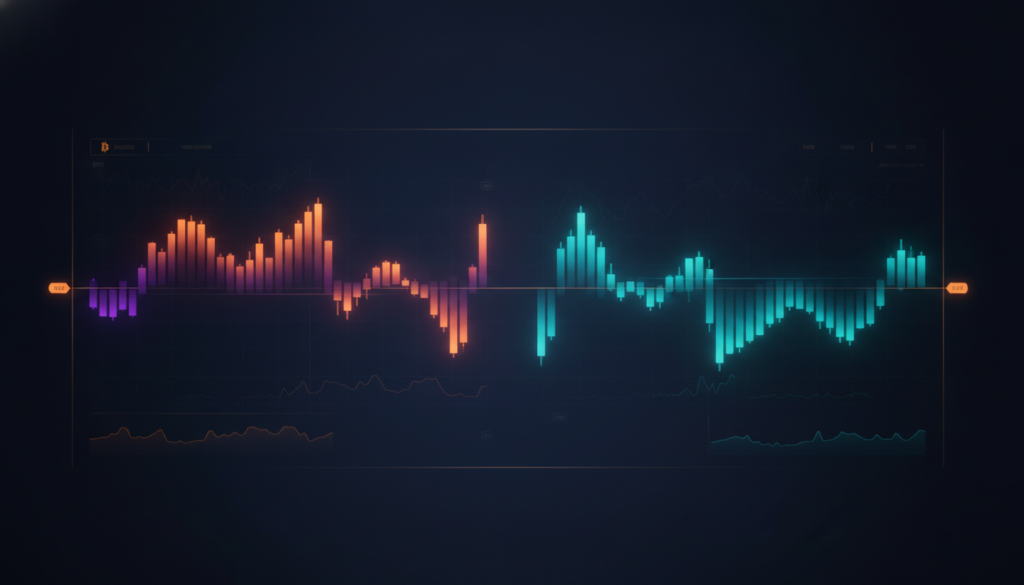
Solana DEX Volume Surpasses Ethereum for Third Straight Week: What the On-Chain Data Says
Solana's DEX ecosystem — led by Jupiter and Raydium — has overtaken Ethereum mainnet in weekly DEX volume for three consecutive weeks.…
 Brian Njuguna
2 min read
Brian Njuguna
2 min read